Most wigs show wear; inspect your custom piece for major shedding, a fraying base or exposed cap, odor or scalp irritation that signals danger, or persistent fit issues. You should use repair when seams, lace, or clips can restore fit; choose replacement if damage is extensive.
Key Takeaways:
- Visible hair thinning, excessive shedding, or bald patches indicate repair may not restore a natural look and replacement should be considered.
- Lace, monofilament, or hand-tied areas with large tears, a stretched cap, or detached ear tabs typically require replacement rather than repeated repairs.
- Persistent odor, irreversible discoloration, or hair texture that cannot be revived by deep conditioning signals replacement.
- Frequent repairs in a short timeframe or cumulative repair costs approaching the price of a new custom wig point toward replacement.
- Minor issues such as loose knots, small lace tears, or tangles can usually be repaired to extend the wig’s usable life.
Key Factors to Monitor for Structural Wig Damage
Inspect the wig regularly at the hairline, part and crown for lace thinning, loose stitching and visible knots; small holes or fraying can let hair shed faster and worsen base integrity. Check tension points where clips or adhesives sit and watch for uneven wear that alters your fit.
- lace and base fraying
- cap elasticity loss or stretched bands
- stitching or weft separation
- exposed knots and excessive shedding
Track visible damage after each styling or cleaning so you can decide on repair versus replacement before issues spread. Recognizing when damage affects comfort or creates permanent base deformation saves you time and money.
Inspecting the lace or base for thinning and tears
Examine the lace and base under bright light, parting hair to spot thinning or micro-tears along the hairline; tears at attachment points are especially damaging. If you see holes or widening gaps, plan for professional repair quickly to prevent strand loss and further base breakdown.
Evaluating the loss of cap elasticity and fit
Test the cap by stretching it gently-if the cap elasticity doesn’t rebound or the wig slips on your head, your fit has changed and comfort will decline. Loose caps increase friction on the lace and can cause premature tearing at stress points.
Feel for uneven tension and sagging around the nape and temples; persistent looseness after adjustments indicates internal elastic failure rather than a simple sizing issue. Severe sagging often means replacement is the safer choice to protect the base and hairline.
Measure your head against the original cap dimensions and note any permanent stretch; small discrepancies you can fix with band inserts or repairs, while larger, recurring distortion signals you should consider full replacement to restore proper fit and prevent further structural damage.
How-to Guide for Assessing Hair Fiber Health
Inspect the fibers under good light and feel for uneven dryness or split ends to decide whether you can repair or replace the custom wig; focus on brittle strands and thinning that indicate replacement.
Identifying irreversible tangling and matting
Run your fingers from tip to base and if you encounter a dense, immovable mass that won’t loosen with detangling or conditioning, then irreversible matting has likely set in and you should opt for replacement instead of aggressive salvage attempts.
Testing for heat damage and cuticle degradation
Test small hidden sections by gently stretching and applying low heat-if fibers snap, melt, or refuse to return to their original texture, you face heat-damaged cuticles that often require replacement rather than repair.
Press a damp white cloth against fibers after light ironing and if color transfers or fibers frizz excessively, you have cuticle degradation weakening the hair and shortening styling life.
Compare suspect areas to a maintained sample or photo so you can quantify loss of shine, increased porosity, and permanent fiber collapse, which should push you toward replacement when structural integrity is compromised.
Critical Factors in the Repair vs. Replace Decision
Assess the wig’s overall condition: cap integrity, hairline wear, knot shedding, and whether the original construction still supports repair. You should factor in service history, daily wear patterns, and whether the cost of fixes approaches a full replacement.
- custom wig
- repair
- replacement
- re-ventilation
- base material
- density
Any decision must prioritize long-term comfort and safety, since degraded bases can cause irritation or structural failure during wear.
Determining if re-ventilation can restore density
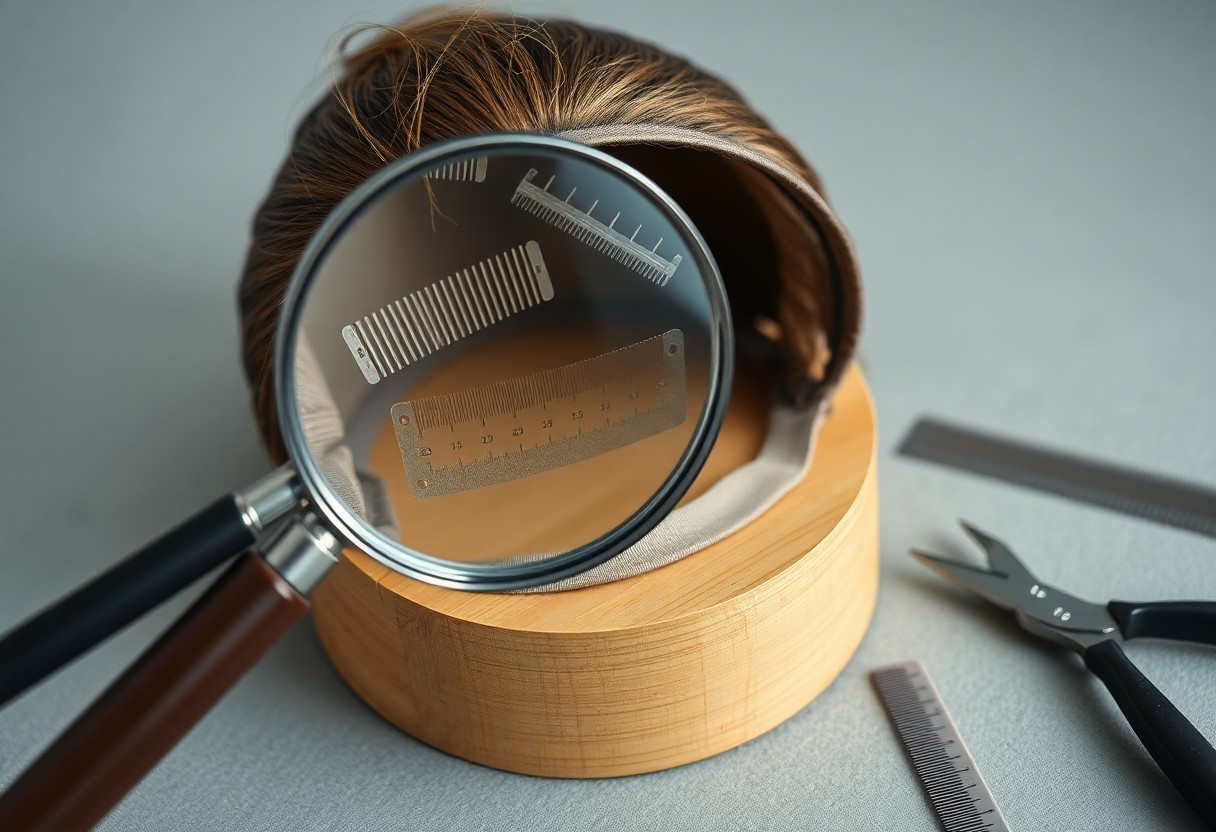
Inspect the cap under bright light and with a magnifier to check knot integrity and localized shedding. You can often restore density through re-ventilation when the base is intact and missing hair is limited; avoid it if the base stretches, tears, or shows persistent mold.
Recognizing when the base material is beyond salvage
If you find perimeter detachment, multiple irreparable tears, severe discoloration, or base hardening from adhesive buildup, the material is likely beyond salvage and poses a risk for failure and scalp irritation. Replace rather than patch when repairs would only be temporary.
Consider performing a tug test and exposing the base to humidity to reveal brittleness, then get a technician’s estimate-replacement usually wins when several failure points exist or repair costs near a new custom replacement.
To wrap up
With this in mind, you should seek a repair when cap structure loosens, hair shedding increases, or natural movement stops matching your routine; major base tears, persistent odor, or scalp irritation signal replacement. You can extend life with professional cleaning and minor fixes, but visible lace damage or repeated repairs mean replacement is more cost-effective.