
Guide you through simple home care so you can preserve your custom wig’s lifespan: use sulfate-free shampoo, avoid heat above 350°F, and air-dry on a mannequin while you follow styling tips from your maker.
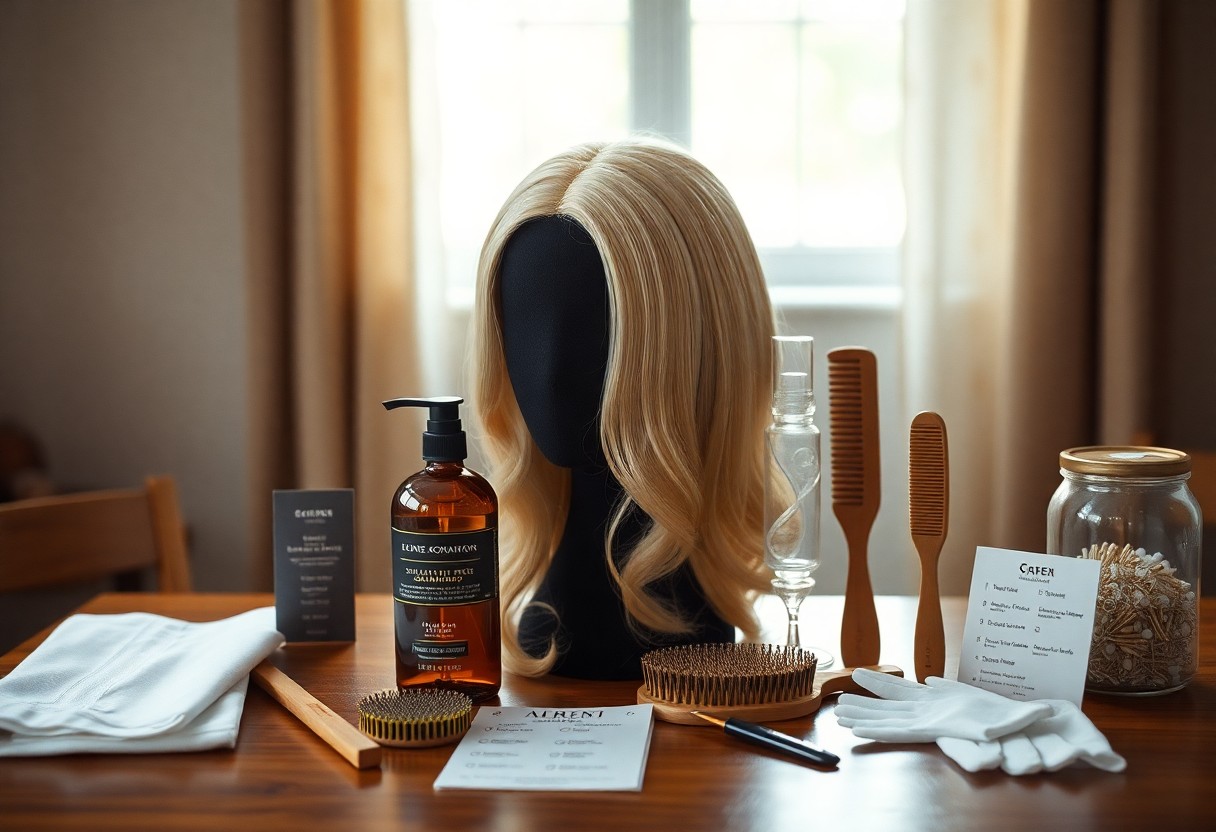
Key Takeaways:
- Washing: use sulfate-free shampoo and cool water; gently lather, rinse, blot with a towel, and air-dry on a wig stand; wash synthetic every 8-12 wears and human hair every 6-10 wears.
- Detangling: start at the ends and work upward with a wide-tooth comb or wig brush; detangle before styling and avoid vigorous brushing when wet.
- Styling and heat: limit heat on synthetic fibers; for human hair use a heat protectant and low-to-medium tool settings within the manufacturer’s temperature limits.
- Storage: keep on a wig stand or in a silk/satin bag away from direct sunlight, heat, and dust to preserve shape and texture.
- Maintenance: replace adhesives or adjustable bands as needed, have trims and repairs done by a professional, and deep-condition human-hair wigs periodically.
Identifying Custom Wig Types and Textures
| Human hair | Natural movement, heat-styling capable, higher maintenance |
| High-quality synthetic | Consistent style memory, low daily upkeep, avoid non-heat fibers near hot tools |
| Remy vs non-Remy | Remy retains aligned cuticles for longevity; non-Remy may mat faster |
| Textures | Straight, wavy, curly: choose matching care routines to preserve pattern |
| Density & length | Higher density adds weight and warmth; longer lengths need gentler handling |
- custom wig
- textures
- human hair
- synthetic fibers
- cap construction
You should assess fiber type and texture first so you match cleaning frequency and styling tools to each wig; avoid heat on non-heat-resistant synthetics to prevent irreversible damage.
Compare texture samples against your natural hair and lifestyle to decide between low-upkeep synthetics or versatile human hair that accepts color and heat, keeping styling goals in mind.
Human Hair versus High-Quality Synthetic Fibers
Choose human hair if you need unlimited styling and coloring options, while selecting high-quality synthetic fibers when you prefer a pre-styled look with minimal daily effort; note that non-heat synthetics can melt if exposed to high temperatures.
Understanding Cap Construction and Lace Materials
Inspect cap types-lace front for a natural hairline, monofilament for realistic parting, and full lace for versatility-and match lace tone and cap size to your scalp to prevent tension and slippage.
Assume that you prioritize breathable materials and reinforced edges so you reduce irritation and extend the lifespan of your wig.
Critical Factors Affecting Wig Longevity
Factors such as humidity, UV exposure, styling products and friction determine wig longevity, so you should tailor care to each influence; refer to How to Care for Your Wig | Wig Maintenance Tips for stepwise routines.
- Humidity – causes swelling and frizz
- UV exposure – leads to color fading
- Friction – creates matting and breakage
- Product buildup – weighs fibers and dulls shine
Knowing how each factor shortens wear lets you prioritize storage, rotation and targeted cleaning.
Impact of Environmental Exposure and Humidity
Humidity increases fiber swelling and encourages frizz, so you should limit prolonged steam, use dehumidified storage when possible, and choose humidity-resistant styling to protect texture and shape.
Effects of Friction and Daily Wear Patterns
Daily rubbing at the nape, collar and pillow promotes matting and weakens fibers, so you should adjust cap fit, use smoother fabrics and employ gentle detangling to reduce abrasion.
Rotate wigs and vary cap placement to spread wear; inspect seams and wefts regularly and repair early to prevent irreparable shedding.
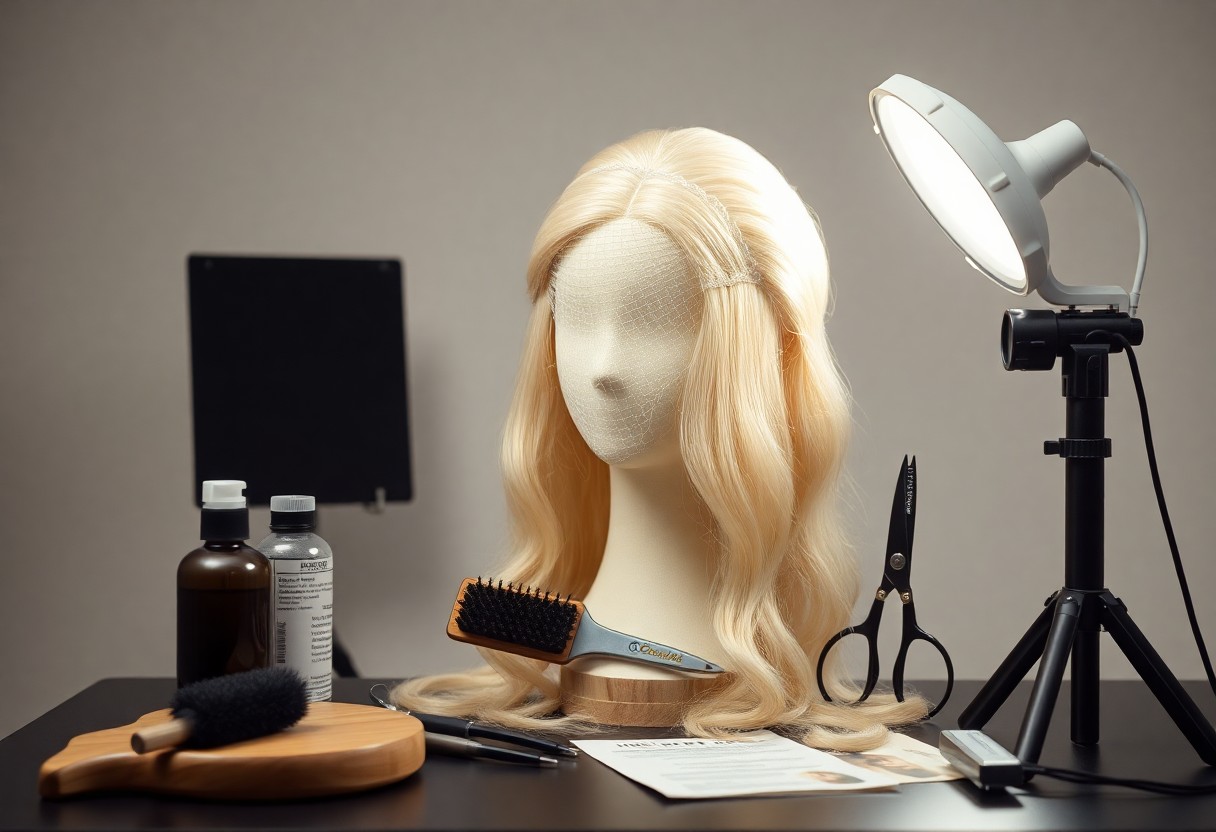
Pros and Cons of DIY Home Maintenance
| Pros | Cons |
|---|---|
| Cost savings on routine upkeep | Risk of permanent fiber damage |
| Immediate styling control | Incorrect products can ruin color |
| Convenience for quick fixes | Time-consuming learning curve |
| Ability to personalize routines | Limited repair capability for major issues |
| Familiarity with your wig’s needs | Potential warranty voiding |
| Lower long-term expenses with care | Accessory or tool costs upfront |
You can follow manufacturer tips like Basic Care and Feeding of Your Wig to reduce mistakes and extend lifespan, while weighing the trade-offs shown above.
DIY maintenance lets you experiment, but be aware that a single error with heat or chemicals can cause a costly, irreversible problem that professional repair may not fix.
Cost Efficiency and Personalized Styling Control
Saving money by handling washes and simple styling at home gives you direct control over look and schedule, letting you experiment without salon fees while gradually improving technique.
Potential Risks of Chemical and Heat Mismanagement
Heat and chemical misuse can melt synthetic fibers, strip color from human-hair wigs, or create weak spots that lead to shedding, especially if you overuse products or exceed temperature limits.
Improper mixing, prolonged exposure, or repeated high-heat styling can also void warranties and make professional restoration impossible, so you should test and proceed cautiously with any aggressive treatment.

Step-by-Step Washing and Conditioning Protocol
| Step-by-Step Washing and Conditioning Protocol | |
|
Rinse the wig under lukewarm water, directing flow from roots to tips to prevent tangling; you should avoid hot water which can warp fibers and loosen knots. |
Use a sulfate-free cleanser diluted in water and gently work it through with your fingers; you should rinse until water runs clear to eliminate buildup without stripping moisture. |
Preparation and Gentle Detangling Techniques
Lay the wig on a stand and mist with conditioner or detangling spray; you should comb with a wide-tooth comb from ends upward, holding sections to reduce stress and never detangle when dry.
Cleansing and Moisture Restoration Procedures
Apply diluted shampoo to the cap and gently swish without rubbing; you should let the water carry suds through the strands, then coat mid-lengths and ends with a hydrating conditioner for moisture restoration.
Gently blot excess water with a microfiber towel and reshape the cap on a stand; you should avoid wringing or applying heat until the wig is fully dry to protect fiber elasticity.
Allow occasional deep-conditioning masks per manufacturer instructions and apply lightweight oils sparingly to ends; you should test products on a hidden tuft first to prevent buildup or adverse reactions.
Expert Tips for Drying and Styling
When you dry and style your custom wig, always pat with a microfiber towel and blot, not rub to reduce shedding and frizz; allow the unit to settle on a stand before styling.
- heat protection
- air-drying
- low heat
- detangling
- wig stand
Assume that you always test tools on an inside seam and use low heat settings to protect fibers.
Safe Heat Application and Air-Drying Methods
Use a dedicated heat protectant and set styling tools to the lowest effective temperature; for synthetic units only apply heat if labeled heat-friendly, and for human hair keep settings conservative.
Essential Tools for Maintaining Custom Units
Keep a wide-tooth comb, a boar-bristle brush, a breathable wig stand, and a pouch for heat protection products so you can detangle and shape without stressing the cap.
Store your tools properly and clean brushes regularly to avoid product buildup and transfer of oil that can dull fibers and attract dust to the unit.
Strategic Storage and Protection Methods
Storage choices determine how long your custom wig stays wearable; you should keep pieces on a stand or in a breathable container and away from windows to avoid UV fading and mold from humidity. Keep styling products minimal before storing so residue doesn’t attract dust or degrade fibers.
If space forces stacking, layer wigs with acid-free tissue and fasten combs or clips gently to prevent crushing and misshaping of the cap. Rotate stored pieces occasionally so pressure points don’t form.
Utilizing Wig Stands and Breathable Containers
Stands preserve cap shape and allow airflow; you should choose a foam or mannequin stand that matches your wig’s head size to prevent stretching. Store long-term in a ventilated box or cotton bag to reduce dust while keeping moisture out.
Protective Nighttime Habits for Custom Pieces
At night you should remove glue-based attachments whenever possible so your skin can breathe and to reduce risk of irritation or infection. If removal isn’t an option, gently cleanse the hairline and check adhesive edges each morning.
Use a silk or satin bonnet and a silk pillowcase to minimize friction; you should loosely braid or pin the wig to stop tangles and limit shedding. Secure clips softly to avoid pressure marks on the base.
Always inspect the cap after sleeping and place the wig on a stand immediately if you remove it, cleaning any product or sweat buildup within a few days to maintain hygiene and shape.
Summing up
As a reminder, you should wash and store your custom wig gently: use a sulfate-free cleanser, detangle from the ends to the roots, and blot excess water instead of wringing. Air-dry on a wig stand away from direct heat and sun, and use heat protection sparingly when styling. Schedule periodic trims and professional deep conditioning to preserve shape and shine, and store the wig on a form or in a breathable bag to prevent tangles. Consistent simple care will keep your wig looking natural and extend its lifespan.